Passive House Builder in Northern Virginia, Maryland & the DC Metro Area 

August Homes is a Phius Certified Passive House Builder (CPHC) serving homeowners throughout Northern Virginia, Maryland, and the greater Washington, DC metro area. We specialize in designing and building high-performance custom homes that deliver exceptional comfort, healthier indoor air, lower energy consumption, and long-term durability.

What Is the Difference Between Passive House and Passivhaus?

The terms "passive house" and "passivhaus" are often used interchangeably. Passivhaus originated in Germany and refers to the original building standard focused on energy-efficient construction and superior indoor comfort.

In the United States, many projects follow standards developed by Phius, which adapts passive house principles to North American climates, building practices, and performance expectations. 

What is Passive House Design?

A passive house is built to rigorous performance standards that dramatically reduce heating and cooling demand through superior insulation, advanced air sealing, high-performance windows, and balanced ventilation. The result is a home that maintains comfortable temperatures year-round while using significantly less energy than conventional construction.

For homeowners throughout Northern Virginia, Maryland, and the Washington, DC metro area, a passive house offers more than energy efficiency. It creates a quieter, healthier, and more resilient living environment with fewer drafts, improved indoor air quality, and greater comfort in every season.

As a passive house builder, we help homeowners like you navigate every stage of the process, from design and planning through construction and certification. Our goal is simple: build homes that are healthier, more comfortable, and built to perform for generations.

What Makes Passive House Buildings Different?

Passive house building differs from conventional construction because it focuses first on the performance of the building envelope. Instead of relying on larger HVAC systems to compensate for inefficiencies, passive house construction reduces energy demand through better design, materials, and craftsmanship. This includes advanced air sealing, continuous insulation, high-performance windows and doors, and carefully designed ventilation systems. Every component must work together to meet demanding performance targets. As a Phius Certified Passive House Builder, August Homes has the knowledge and experience to execute these details properly while maintaining the quality and craftsmanship expected in a luxury custom home.

Not all high-performance homes are the same. We invite you to check out our different pages to learn how passive homes, net-zero homes, and energy independent homes differ in their approach to comfort, energy use, and long-term resilience. 


Passive House vs. Standard Home

Building Philosophy
Passive House Envelope-first: reduce demand through design, materials and craftsmanship.
Standard Home Systems-first: compensate for losses with larger HVAC equipment.
Insulation
Passive House Continuous, unbroken insulation; 250–400 mm; thermal bridges eliminated.
Standard Home Code-minimum insulation; thermal bridges common at framing.
Airtightness
Passive House Rigorous air sealing; tested to ≤ 0.6 ACH at 50 Pa using a blower door test.
Standard Home Typical leakage of 3–7 ACH50; no airtightness target required.
Windows & Doors
Passive House Triple-glazed windows with thermally broken frames; U-value ≤ 0.8 W/m²K.
Standard Home Standard double-glazed windows; U-value approximately 1.4–2.0 W/m²K.
Ventilation
Passive House Mechanical ventilation with heat recovery; typically 80–90% efficient.
Standard Home Passive infiltration or basic exhaust fans with no heat recovery.
Heating & Cooling
Passive House Minimal system, such as a small heat pump, with little additional heating required.
Standard Home Full-size furnace and air-conditioning system sized to offset envelope losses.
Energy Use
Passive House ≤ 15 kWh/m²/yr heating demand; approximately 90% less than conventional construction.
Standard Home Typically 100–200+ kWh/m²/yr, depending heavily on climate and construction.
Certification & Verification
Passive House PHIUS or PHI certification with third-party verification of performance targets.
Standard Home Meets local building-code requirements, with no independent performance verification.
Builder Expertise
Passive House Requires specialized Passive House knowledge and certified builder expertise.
Standard Home Uses standard construction skills with no specialized Passive House training required.
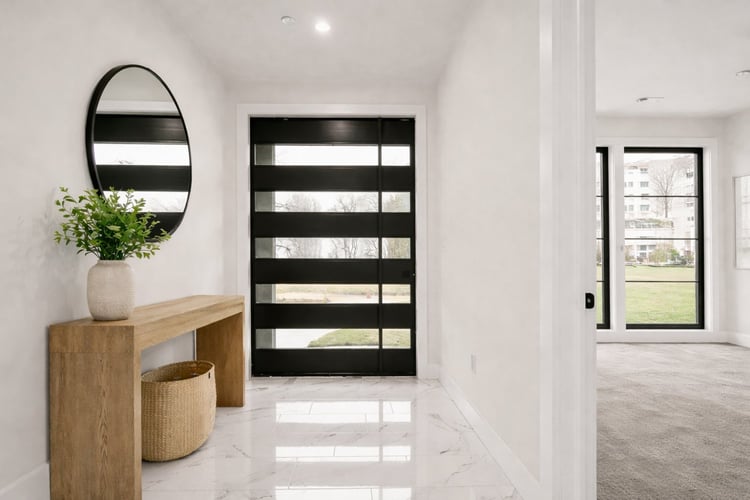
Silver Spring Modern_Foyer by August Homes

Passive Home Features in the DMV

Future-Proof Technology

Integrated Technology

Sensible technology integration. Smart home automation, solar-ready roofing, EV charging stations, battery storage, and more.

Energy Efficiency

Energy Efficiency

Our intimate understanding of efficient design and construction allows you to save on energy bills for decades to come.

High-Performance Systems

High-Performance Systems

Performance design, energy modeling, and third-party testing. Every HVAC system is designed with proper room balancing and airflow.

Thoughtful Design

Intentional Design

Intelligent, advanced style. The needs of the American family are changing. We create at-home workstations, flex rooms, and more.

Durable, Resilient Construction

Sustainable Building

Where luxury and principles meet. We incorporate FSC-certified lumber and locally-sourced materials while recycling construction waste.

Healthy Indoor Air

Healthy Indoor Air

Fresh air for everyone. We incorporate UV and HEPA filtration systems, as well as fresh air intake systems, for healthier homes and families.

FAQs About Passive House Design and Building

How Much Energy Can a Passive House Save?

A passive house can reduce heating and cooling energy use by up to 80% compared to conventional homes. Through advanced insulation, airtight construction, high-performance windows, and balanced ventilation, passive homes dramatically reduce energy demand while maintaining exceptional comfort year-round. 

Are Passive Houses More Expensive to Build?

A passive house typically requires a higher upfront investment but can deliver long-term savings. Additional costs are often associated with upgraded insulation, windows, and air-sealing measures. Many homeowners find that the increased comfort, durability, and resilience, along with lower operating costs, justify the investment over time.

Take a look at what a high-performance home in the DMV costs to get an idea of what your investment might be. 

Does a Passive House Need Special Heating or Cooling Equipment?

No, a passive house does not require specialized heating or cooling systems. Because the home's energy demand is significantly reduced, smaller and more efficient HVAC equipment can often provide all the heating and cooling required while maintaining consistent indoor comfort year-round. 

Is a Passive House Comfortable During Hot Summers and Cold Winters?

Yes, a passive house is designed to remain comfortable in all seasons. High-performance building assemblies help maintain stable indoor temperatures regardless of outdoor conditions. This is especially beneficial in the DC metro area's climate, where homeowners experience both humid summers and cold winter weather. 

Is a Passive House Worth It in Northern Virginia and Maryland?

Many homeowners find a passive house worthwhile because of its comfort, efficiency, and long-term value. In the DMV's climate, passive homes can provide lower energy costs, healthier indoor air quality, greater resilience during extreme weather, and a more comfortable living experience throughout the year.

How Does a Passive House Improve Energy Efficiency?

A passive house can dramatically reduce energy consumption by minimizing unwanted heat loss in winter and heat gain during summer. Through advanced insulation, airtight construction, and high-performance windows, the home requires significantly less energy to maintain comfortable indoor temperatures.

For homeowners in the DMV, this often translates into lower utility costs, improved comfort, and greater protection from rising energy prices. By focusing on efficiency from the beginning, August Homes helps create homes that are designed to perform for generations.

How Do Passive House Systems Improve Indoor Air Quality?

One of the most important features of a passive house is its balanced mechanical ventilation system. These systems continuously supply filtered fresh air while exhausting stale indoor air, helping maintain a healthier indoor environment.

This can reduce allergens, pollutants, excess humidity, and indoor contaminants while creating more consistent comfort throughout the home. For families throughout Northern Virginia, Maryland, and the DC metro area, passive house systems provide cleaner air and a healthier living experience without sacrificing efficiency.

Phius Certified Passive House Builder in the DMV

As a Phius Certified Passive House Builder, we help you confidently navigate the custom homebuilding process while ensuring every home is tailored to your lifestyle, goals, and long-term vision. Building a passive house requires more than quality craftsmanship. It requires an understanding of building science, energy modeling, moisture management, ventilation design, and performance-based construction practices.

August Homes - Phius Certified Builder trained to meet the challenges of building to the rigorous Phius passive building standard

Your Trusted Passive House Expert

August Homes brings decades of custom homebuilding experience together with advanced high-performance building expertise. Our team has successfully delivered numerous energy-efficient homes throughout the Washington, DC metro area, including LEED-certified projects and homes built to some of the highest performance standards in residential construction.

From our proven design-build process and detailed project planning to material selections and construction, we help homeowners confidently navigate every stage of the custom building journey. We invite you to explore our portfolio of custom homes, learn more about our approach to high-performance homes, review our custom home cost guide, and discover the communities we serve throughout Northern Virginia, Maryland, and the greater DMV.

Why Build with August Homes?

  • LEED AP and Passive House Certified Builder in DC
  • Net-Zero Design and Building Practices
  • Leadership in Creating Energy-Independent Communities
  • Refined Craftsmanship with Uncompromising Detail
  • Trusted Washington DC Luxury Home Builder

Your dream home is more than a structure. It’s a high-performance lifestyle. Let’s build it together.

Contact Us

Reach out today to learn more about building a passive home or to schedule a consultation. 

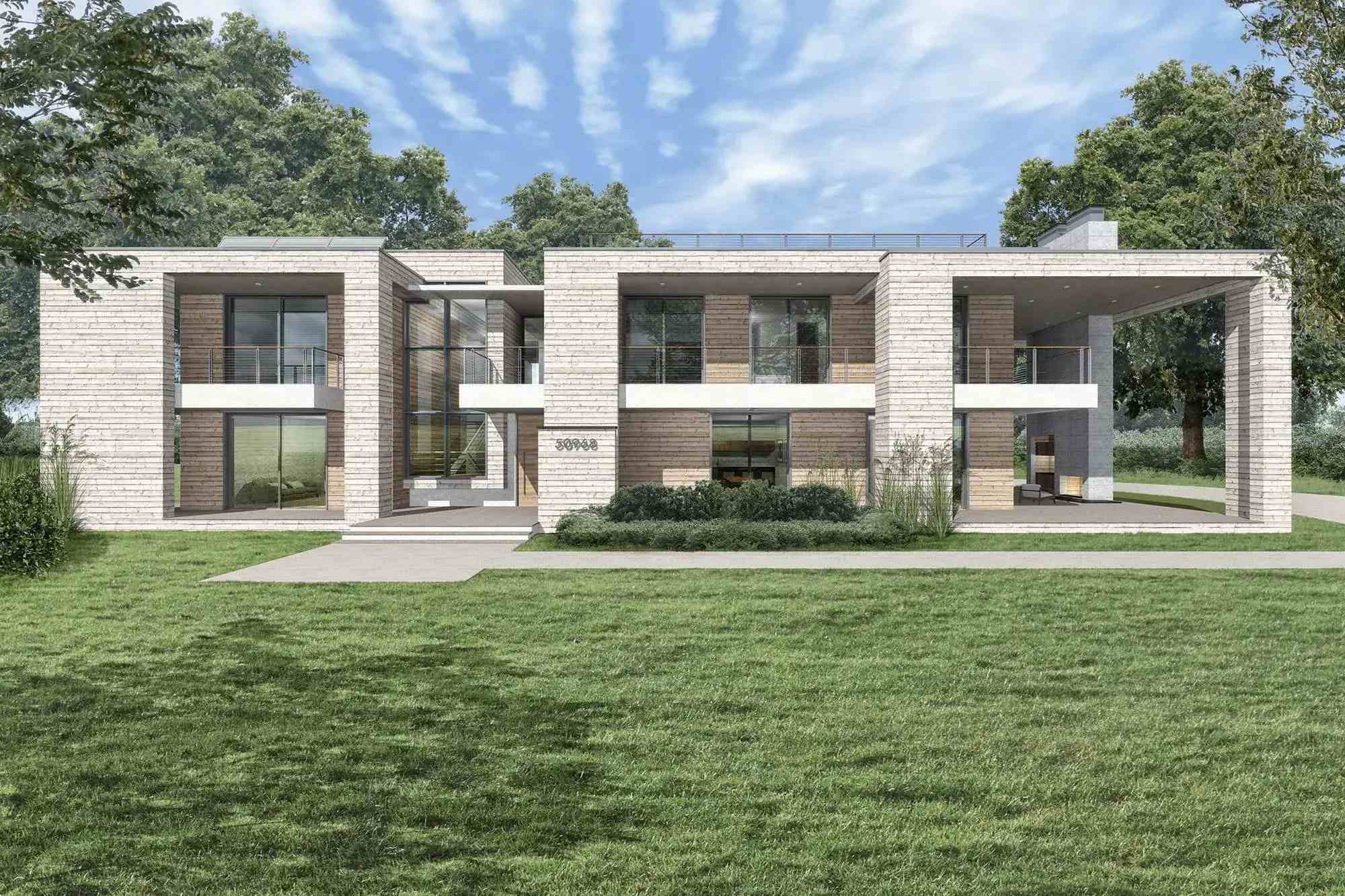
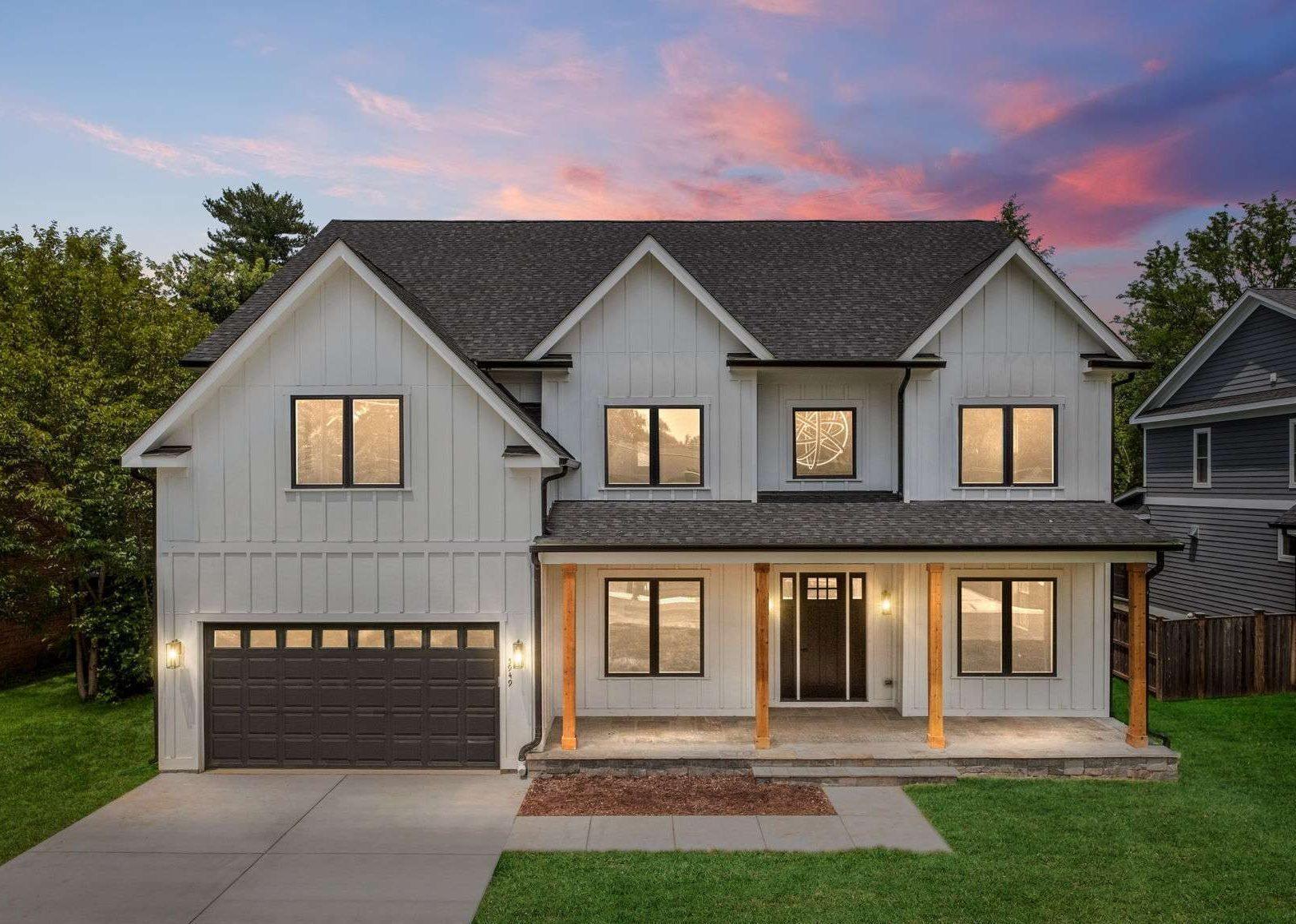
Exterior of custom home by August Homes in the DMV